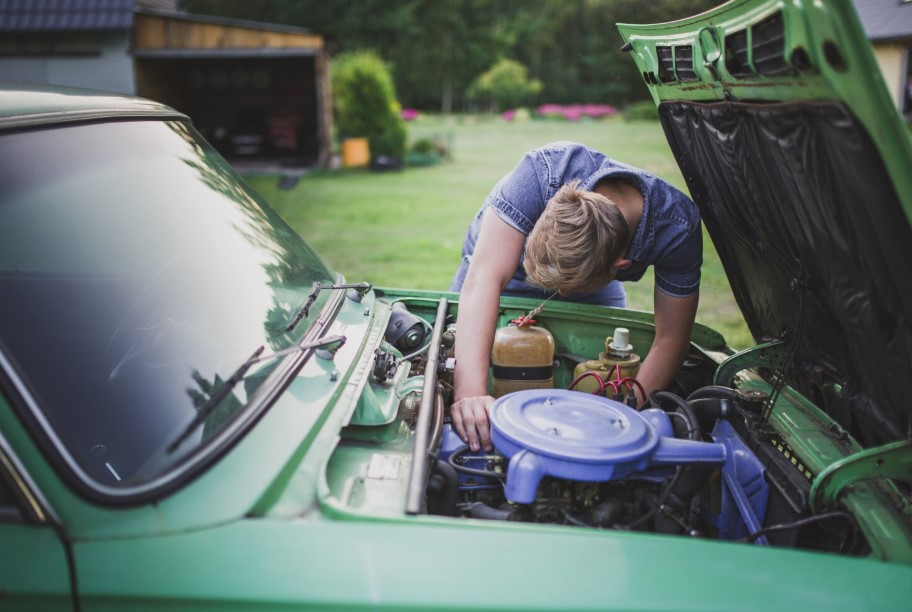
Driving through deep water can leave a vehicle with problems that do not show up right away. The engine may keep running, the brakes may still respond, and the dashboard may look normal, but water can reach places that were never meant to get soaked. It can enter air intake areas, electrical connectors, wheel bearings, fluids, belts, sensors, and exhaust parts. Auto repair services are important after this kind of drive because they can detect hidden damage before it worsens. A quick inspection can protect safety, performance, and long-term reliability after a flooded road crossing.
What Needs Careful Checking
-
Checking the Engine Before Damage Spreads
The engine is one of the main concerns after driving through deep water because even a small amount of water in the wrong place can cause serious trouble. If water enters the air intake, it may be drawn into the cylinders, where the engine expects only air and fuel. Since water cannot compress like air, it can bend internal parts if the engine tries to run with water inside. Auto repair services check the air filter housing, intake tubing, spark plugs, oil condition, and engine behavior for signs of water entry. Auto Repair in Branson can help drivers after deep-water exposure by checking the engine and related systems before hidden moisture causes more serious mechanical damage. Even if the car starts, rough idle, hesitation, knocking, stalling, or white smoke can point to water-related trouble that should not be ignored.
-
Inspecting Fluids for Water Contamination
Deep water can reach beyond the vehicle’s exterior. It can seep into fluids that protect moving parts, especially if seals, vents, or caps are weak. Auto repair services may check engine oil, transmission fluid, brake fluid, power steering fluid, coolant, and differential fluid where applicable. Water in oil can cause a milky appearance and reduce lubrication, allowing metal parts to rub harder than they should. Water in transmission or differential fluid can damage gears, bearings, and clutch materials. Brake fluid can also be affected because it naturally absorbs moisture, and too much water can reduce braking performance under heat. These checks matter because contaminated fluid may not cause an instant breakdown. The vehicle may drive normally for a short time while internal wear begins quietly. Replacing affected fluid early can prevent grinding, overheating, slipping, corrosion, and long-term damage inside expensive components.
-
Testing Brakes After Water Exposure
Brakes need attention after driving through deep water because they are directly exposed to moisture, grit, and debris. When water covers brake rotors, drums, pads, calipers, or hardware, it can temporarily reduce stopping power and may leave residue. Mud, sand, or small road particles can also lodge around brake parts and create scraping noises, uneven wear, or vibration. Auto repair services inspect the brake system to ensure the pads still grip properly, the calipers move freely, and the rotors are not coated with debris. They may also check brake lines and fluid condition if the vehicle went through especially deep or dirty water. This step is important because weak braking may appear only during sudden stops, downhill driving, or repeated braking. A brake inspection after water exposure helps restore safer stopping and gives the driver confidence that hidden moisture has not affected the system.
-
Protecting Electrical Parts and Sensors
Modern vehicles rely on many electrical parts, and deep water can affect them in unpredictable ways. Moisture can enter connectors, wiring harnesses, fuse boxes, sensors, control modules, door switches, lighting circuits, and wheel speed sensors. Sometimes the damage appears right away as warning lights, flickering lamps, power window trouble, weak starting, or dashboard errors. Other times, corrosion begins slowly inside a connector and causes problems days or weeks later. Auto repair services can scan the vehicle for stored codes, inspect wiring connections, dry affected areas, and look for corrosion before it spreads. This is especially important because one water-damaged connector can send incorrect information to the engine, transmission, braking, or stability systems. Electrical issues can also drain the battery or cause intermittent no-start problems. Finding moisture early helps prevent confusing faults that become harder to trace once corrosion moves deeper into the system.
-
Looking Under the Vehicle for Hidden Impact
Flooded roads often hide potholes, curbs, branches, rocks, and loose road material. A driver may think the main problem was water, but the vehicle’s underside may have taken a hit at the same time. Auto repair services can inspect the undercarriage, exhaust system, splash shields, suspension parts, steering components, wheel liners, and protective covers. A loose shield can drag, a bent exhaust pipe can restrict flow, and damaged suspension parts can affect handling. Water pressure can also pull panels loose or push debris into areas near the radiator, belts, pulleys, or cooling fans. If the vehicle later makes rattling, scraping, humming, or clunking sounds, the cause may be underneath. A lift inspection helps reveal damage that cannot be seen from the driver’s seat. This matters because a small loose part can become a larger repair if it breaks free or damages nearby components.
-
Preventing Rust, Odors, and Interior Problems
Water can also enter the cabin, trunk, floorboards, door seals, or cargo area during a deep water drive. Even when the carpet feels only slightly damp, moisture can soak into the padding beneath and remain trapped for a long time. Auto repair services may check the interior floor, seat mounts, wiring under the carpet, trunk wells, and drain areas for standing water or dampness. If moisture remains hidden, it can cause rust, musty odors, mold growth, and electrical trouble under the seats or dashboard. The earlier the water is found, the easier it is to dry the area and prevent lasting damage. Technicians can also check weatherstripping, door drains, and body plugs to see how water entered. This helps reduce the chance of the same problem recurring during heavy rain or another encounter with a flooded road.
Catching Problems Before They Become Costly
Auto repair services are important after driving through deep water because water can damage the engine, fluids, brakes, electrical components, undercarriage, and interior before any obvious symptoms appear. A vehicle may seem fine at first, but hidden moisture can lead to corrosion, rough running, weak braking, slipping, warning lights, odors, or internal wear. A careful inspection helps catch these problems early and keeps the vehicle safer to drive. After any deep water crossing, having the car checked quickly can prevent small issues from becoming major repairs and help protect the system from lasting damage.
