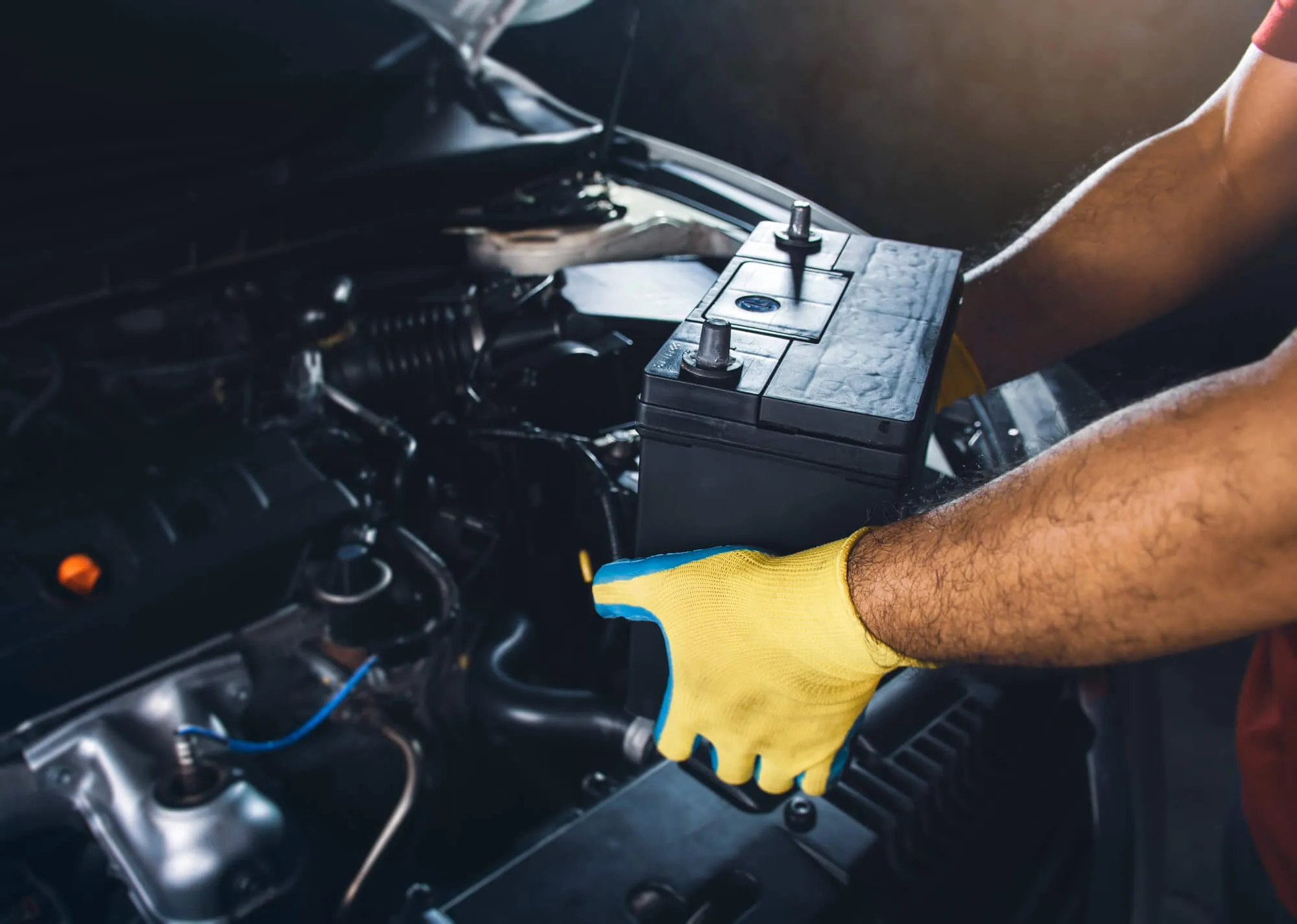
A car that needs a jump-start more than once can disrupt school runs, work commutes, and ordinary errands. Replacing the battery immediately may seem sensible, but a weak battery is not always the only explanation. Problems involving charging components, electrical connections, or equipment drawing power while the vehicle is parked can produce similar symptoms. Drivers considering car battery replacement woodstock should first understand how a technician checks the complete starting and charging system. A proper diagnosis can prevent repeated replacements that never resolve the original issue.
Know What the Battery Actually Does
A conventional 12-volt battery supplies the energy needed to start many gasoline vehicles and power electrical equipment when the engine is off. Once the engine runs, the charging system normally replenishes the battery and supports the vehicle’s electrical loads.
Battery condition changes with age, heat, charging habits, and the demands placed on it. A vehicle’s exact electrical design also matters, particularly when it uses start-stop technology or specialized battery-management systems. Understanding these differences matters because a physically compatible battery might still be incorrectly specified for the electronics it supports.
Separate Battery Trouble From Charging Trouble
Slow cranking and clicking sounds may suggest insufficient starting power, but they do not establish the cause. Corroded terminals, poor cable connections, a weak starter, or a charging-system fault can create confusing symptoms.
A technician can check battery health, terminal condition, charging output, and relevant electrical components. Replacing a healthy battery without examining the rest of the system may leave the driver facing another breakdown days later. A charging warning light should also be investigated promptly, because continued driving with inadequate electrical power may eventually cause the vehicle to stall.
Understand Power Draw While Parked
Vehicles consume some electricity while switched off because security systems, memory functions, and electronic modules may remain active. Normally, this draw is managed within the battery’s capacity. A malfunctioning accessory or module can sometimes consume excessive power.
Repeated discharge after overnight parking may justify a parasitic-draw assessment. Such tests require suitable instruments and procedures because electronic modules may take time to enter their normal sleep state. Untrained owners should avoid disconnecting or probing complex circuits without guidance.
Review Driving Patterns and Accessories
Frequent short journeys may not give the charging system enough opportunity to replenish energy used during starting, especially when lights, climate controls, and other loads are active. Vehicles left unused for extended periods can also discharge gradually.
Aftermarket dash cameras, audio equipment, or chargers may introduce additional demands. Drivers considering vehicle inspection woodstock can mention accessories and driving routines during the appointment. These details can make electrical diagnosis more focused and avoid overlooking a preventable cause.
Prepare Helpful Details for the Workshop
Before arranging service, write down symptoms and when they occur. Useful observations include:
-
How long the vehicle was parked before a failed start.
-
Whether the engine cranks slowly or does not crank at all.
-
Any battery or charging warning lights displayed.
-
Recently installed electrical accessories or equipment.
-
Whether a previous jump-start or replacement helped temporarily.
Avoid repeatedly jump-starting a vehicle with a visibly damaged, leaking, or swollen battery. Ask for professional assistance if the battery appears unsafe.
Choose the Correct Replacement Type
When testing confirms replacement is appropriate, the battery must match the manufacturer’s requirements. Physical fit, capacity, terminal arrangement, and technology all matter. Some modern vehicles require battery registration or system initialization after installation.
A technician should confirm the specifications and secure all connections correctly. Battery recycling and safe handling are also important. An apparently similar battery is not necessarily suitable for every vehicle or its charging strategy.
Prevent Problems Through Basic Maintenance
Periodic checks can identify loose connections, corrosion, or damaged cables before starting becomes unreliable. Keep the battery area clean according to the manufacturer’s instructions and arrange testing when symptoms develop.
Owners should not assume a fixed lifespan applies to all batteries. Temperature, use, and charging conditions influence longevity. Maintaining accurate service records helps a technician distinguish a new concern from a recurring electrical fault. Recording the date and conditions of each failed start can provide useful clues when a problem happens only intermittently.
Conclusion
Repeated starting trouble calls for diagnosis rather than automatically purchasing another battery. The condition of the charging system, electrical connections, parked power consumption, and everyday driving patterns can all contribute. Drivers should describe symptoms clearly and use a replacement battery that meets the vehicle’s specifications when testing confirms it is needed. For motorists researching battery testing and vehicle inspections in Woodstock, Georgia, artofspeedga.com provides information about related automotive services. A methodical approach can reduce unnecessary replacement costs while improving confidence in daily transportation.
