Off-roading is one of the most thrilling ways to enjoy your vehicle, but it comes with real risks. From muddy trails to rocky inclines, even the most capable 4×4 can get stuck in situations that demand more than just horsepower. That’s where recovery gear becomes the difference between a fun weekend story and an expensive towing bill.
Whether you’re a weekend trail rider or a serious overlander, building a smart recovery kit is one of the most important upgrades you can make to your truck or SUV. In this guide, we’ll walk through the must-have recovery tools, why each one matters, and how to choose gear that will actually perform when you need it most.
Why Every Off-Roader Needs Proper Recovery Gear
Getting stuck is not a question of if — it’s a question of when. Even experienced drivers misjudge terrain, hit unexpected mud pockets, or slip on loose rocks. Having the right equipment lets you self-recover safely without waiting hours for help in remote areas where cell service often doesn’t exist.
Beyond convenience, proper recovery gear protects your vehicle from damage. Trying to free a stuck 4×4 with the wrong tools — or worse, with a tow strap rated for a sedan — can snap hardware, crack frames, and seriously injure anyone nearby. Quality matters here more than almost anywhere else on your rig.
The Core Recovery Kit: What You Actually Need1. A Reliable Winch
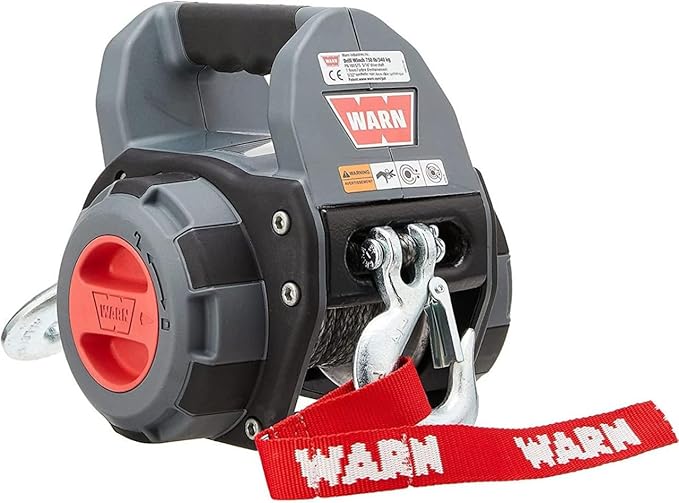
A winch is the single most important recovery tool you can own. It allows you to pull your vehicle out of mud, sand, snow, or steep ditches using nothing but a sturdy anchor point — usually a tree, rock, or another vehicle. For most drivers, choosing between a fixed bumper-mounted winch and a portable unit is the biggest decision.
If you don’t off-road every weekend or you drive multiple vehicles, a portable winch is often the smarter choice. They can be moved between trucks, stored in the garage when not needed, and used in front or rear recovery scenarios. We recommend exploring the best portable winch options before committing to a permanent mount — you may find a portable model handles 90% of what you actually need at a fraction of the installation cost.
2. Recovery Straps and Kinetic Ropes
A kinetic recovery rope stretches under load, storing energy that helps yank a stuck vehicle free. Unlike traditional tow straps, kinetic ropes reduce shock load on both vehicles and dramatically improve recovery success on softer terrain like sand and mud.
Look for ropes rated at least 2-3 times the gross vehicle weight of your truck. For a full-size pickup, that means a minimum 30,000 lb rating.
3. Shackles and Soft Loops
Steel D-ring shackles are the traditional choice, but soft shackles made from synthetic rope have become the new standard for serious off-roaders. They’re lighter, safer if they fail (they don’t become projectiles), and won’t damage your bumper paint. Carry at least four — two for your vehicle and two for whoever is helping pull.
4. A Quality Hi-Lift or Bottle Jack
Your factory scissor jack is essentially useless off-road. A hi-lift jack (also called a farm jack) can lift heavy vehicles high enough to stack rocks under tires, change a tire on uneven ground, or even act as a manual winch in emergencies. Pair it with a wide base plate so it doesn’t sink into soft ground.
5. Traction Boards
Bright orange or yellow traction boards — sometimes called recovery boards — are placed under spinning tires to give them something to grip. They’re shockingly effective in sand, snow, and mud, and they’re often the fastest recovery method when only one or two wheels are stuck.
Supporting Gear That Makes a DifferenceGloves and Eye Protection
Recovery operations involve heavy loads under tension. Cut-resistant gloves protect against frayed cable strands, and safety glasses shield your eyes from flying debris if something snaps. This is non-negotiable safety gear.
A Quality Tire Deflator and Compressor
Lower tire pressure dramatically improves traction off-road. A good deflator lets you drop pressure quickly at the trailhead, and a portable air compressor lets you air back up before hitting pavement. Driving on underinflated tires at highway speeds is dangerous, so the compressor is just as important as the deflator.
Communication Tools
A satellite communicator like a Garmin inReach or Zoleo can be a literal lifesaver in remote areas. Cell phones don’t work where most good trails go.
How to Choose Quality Recovery Gear
When shopping for recovery equipment, three factors matter most:
Working load limit (WLL): Always buy gear rated significantly higher than what you think you’ll need. Your gross vehicle weight, plus the resistance of being stuck, can easily exceed normal towing loads.
Material and construction: Synthetic winch lines are safer than steel cable but require more maintenance. Aluminum hi-lifts are lighter than steel but more expensive. Understand the tradeoffs before buying.
Brand reputation and warranty: Recovery gear is one area where cheap import equipment can genuinely get someone killed. Stick with established brands that publish their testing data and offer real warranties.
Building Your Kit on a Budget
You don’t need to buy everything at once. If you’re starting from scratch, prioritize in this order:
-
Recovery straps and shackles (under $150 total)
-
Traction boards ($150-$300)
-
A quality jack and base plate ($100-$250)
-
A winch — portable or mounted ($400-$1,500)
-
Air compressor and deflator ($100-$300)
Even just the first two items will get you out of most common situations, and you can build from there as your trail experience grows.
Final Thoughts
Off-road recovery gear isn’t about expecting to fail — it’s about being prepared so a small mistake doesn’t ruin your trip or damage your vehicle. Start with the basics, invest in quality, and learn how to use each piece of equipment before you actually need it. Practice in your driveway. Watch tutorials. Take a recovery class if one’s available in your area.
The best recovery kit is the one you know how to use when conditions are bad, light is fading, and your truck is buried to the axles. With the right preparation, you’ll spend more time enjoying the trail and less time worrying about what could go wrong.
