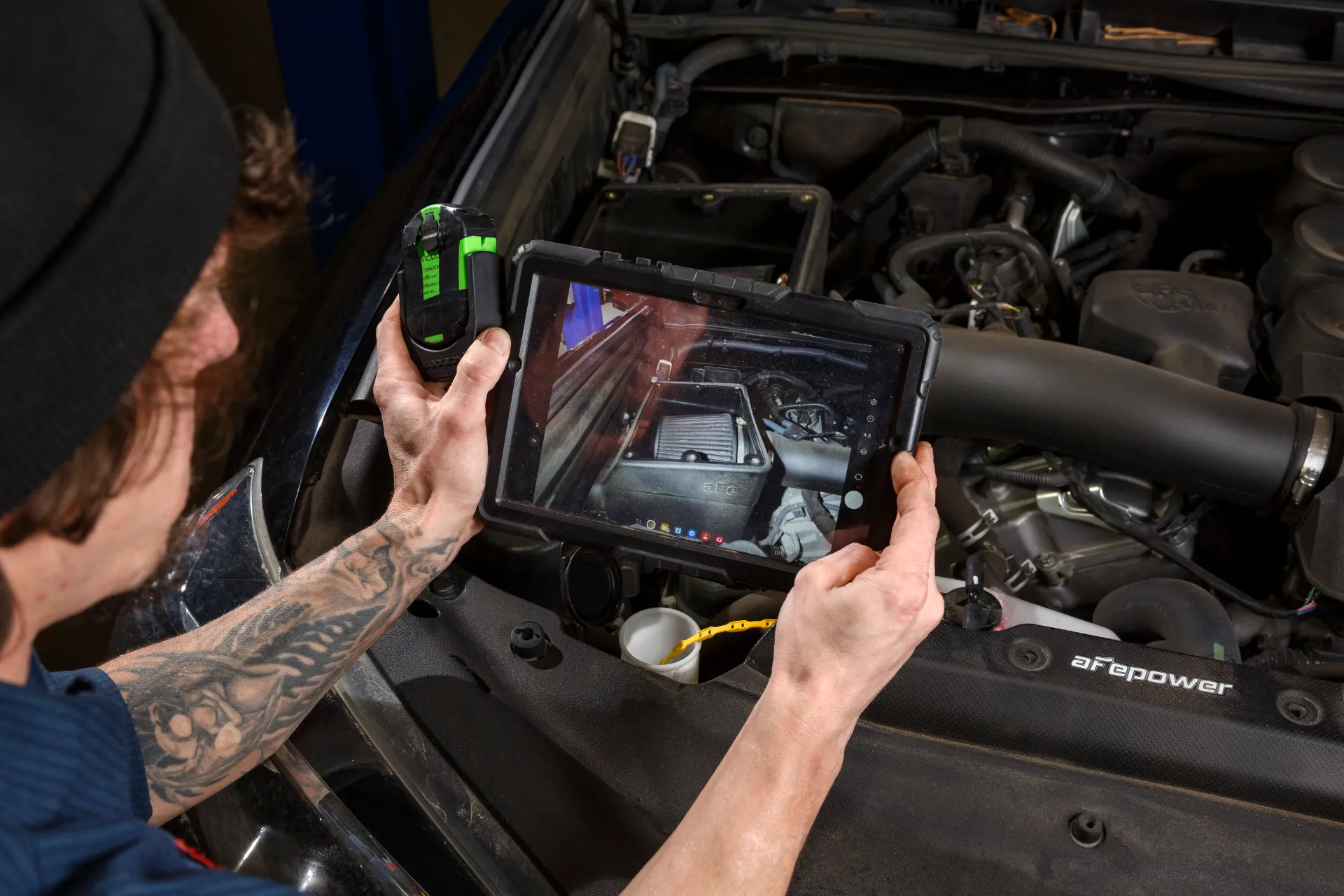
Vehicle diagnostic repair has become one of the most important services in modern automotive maintenance. Today’s vehicles are highly advanced machines filled with sensors, electronic modules, and computerized systems that constantly monitor performance. When something goes wrong, these systems record information that helps technicians understand the problem.
Many drivers notice warning lights on their dashboards but aren’t always sure what they mean. Sometimes the car still drives normally, which can make the issue seem less urgent. However, behind that small warning symbol may be an early sign of a developing problem.
Diagnostic technology helps mechanics identify these issues quickly and accurately. Instead of guessing or replacing parts unnecessarily, technicians rely on data collected by the vehicle’s onboard computer systems.
Understanding What Vehicle Diagnostic Repair Means
Modern vehicles are equipped with an onboard diagnostics system, commonly known as OBD. This system constantly monitors engine performance, emissions, fuel systems, and many other components.
When the system detects irregular behavior, it stores an error code in the vehicle’s computer. These codes provide clues about what might be wrong.
During a professional inspection, technicians connect a diagnostic scanner to the vehicle’s computer. The scanner reads stored codes and provides detailed information about system performance.
Through vehicle diagnostic repair, technicians interpret this data and determine the exact cause of the issue before performing any repairs.
Why Diagnostic Technology Is Essential Today
Cars used to be mostly mechanical machines. While mechanical knowledge is still important, modern vehicles rely heavily on electronics and software.
Sensors monitor everything from oxygen levels in the exhaust to fuel pressure and engine temperature. These sensors communicate with control modules that adjust performance in real time.
Without proper diagnostic tools, identifying problems in these complex systems would be extremely difficult.
Diagnostic technology allows technicians to see what is happening inside the vehicle’s systems without dismantling large components.
This approach saves time and ensures that repairs are targeted and effective.
The Meaning Behind Dashboard Warning Lights
Most drivers have experienced the moment when a warning light suddenly appears on the dashboard. It might be the check engine light, a traction control alert, or a warning related to emissions.
These lights are the vehicle’s way of communicating that something requires attention.
In many cases, the issue may be minor, such as a loose fuel cap or a temporary sensor malfunction. However, it could also signal more serious problems like engine misfires or catalytic converter issues.
A professional vehicle diagnostic repair inspection helps determine whether the warning light indicates a simple fix or a deeper mechanical problem.
Ignoring these signals can sometimes lead to more expensive repairs later.
Real-Life Example: The Check Engine Mystery
A driver once noticed that the check engine light appeared during his daily commute. The car still ran smoothly, so he assumed it wasn’t serious.
After several weeks, fuel efficiency began to drop and the engine started running slightly rough.
When he finally visited a repair shop, technicians performed a diagnostic scan. The system revealed a faulty oxygen sensor that had been affecting fuel mixture for weeks.
Once the sensor was replaced, the engine returned to normal performance and fuel efficiency improved.
This example highlights how vehicle diagnostic repair helps detect issues early before they escalate into larger problems.
How Diagnostic Scanners Work
Diagnostic scanners are specialized devices designed to communicate with a vehicle’s onboard computer.
When connected to the OBD port, the scanner retrieves diagnostic trouble codes stored in the system. These codes correspond to specific components or systems within the vehicle.
For example, one code might indicate a misfire in a particular cylinder, while another could signal a malfunctioning sensor.
Technicians then use their expertise to interpret the codes and perform further testing if needed.
The scanner itself provides clues, but professional knowledge is required to translate those clues into accurate repairs.
The Role of Sensors in Modern Vehicles
Sensors are the eyes and ears of modern automotive systems. They collect real-time data that helps the engine and other systems operate efficiently.
Common sensors monitor oxygen levels, throttle position, air intake temperature, and fuel pressure.
If any of these sensors begin sending incorrect data, the vehicle’s computer may adjust engine performance improperly.
This can lead to reduced fuel efficiency, poor acceleration, or increased emissions.
Professional vehicle diagnostic repair helps identify faulty sensors quickly so they can be replaced before they affect other components.
Diagnosing Electrical System Problems
Electrical issues can be some of the most challenging automotive problems to diagnose without proper tools.
Modern vehicles rely on complex wiring networks and control modules that manage various systems, including lighting, safety features, and engine management.
When electrical faults occur, they may cause intermittent problems such as flickering lights, starting difficulties, or malfunctioning accessories.
Diagnostic equipment allows technicians to trace these issues back to their source.
Using specialized testing tools, mechanics can analyze voltage levels, sensor signals, and communication between modules.
Improving Fuel Efficiency Through Diagnostics
Many drivers are surprised to learn that diagnostic inspections can also help improve fuel efficiency.
Small issues such as incorrect air–fuel ratios, clogged sensors, or malfunctioning fuel injectors can reduce engine efficiency.
When these issues are detected early, repairs can restore proper engine performance and reduce fuel consumption.
Regular vehicle diagnostic repair inspections ensure the engine operates at optimal efficiency, saving drivers money on fuel over time.
Emissions Control and Environmental Responsibility
Modern vehicles are designed to meet strict environmental standards. Emissions control systems play a key role in reducing harmful pollutants released into the atmosphere.
Components such as catalytic converters, oxygen sensors, and exhaust gas recirculation systems help maintain cleaner emissions.
When these components fail, the vehicle may produce higher levels of pollutants.
Diagnostic systems detect these issues early and store relevant codes.
Repairing emissions-related problems through vehicle diagnostic repair ensures the vehicle remains environmentally compliant while maintaining proper performance.
Preventing Major Mechanical Failures
One of the greatest advantages of diagnostic technology is its ability to detect early warning signs of mechanical problems.
Small irregularities in engine performance often appear in diagnostic data before drivers notice physical symptoms.
For example, slight changes in fuel pressure or ignition timing may indicate developing problems within the engine system.
By identifying these issues early, technicians can recommend preventive repairs that protect the engine from serious damage.
This proactive approach helps drivers avoid unexpected breakdowns and expensive repairs.
Diagnostic Repair for Hybrid and Electric Vehicles
The automotive industry is rapidly shifting toward hybrid and electric vehicles.
These vehicles rely even more heavily on electronic systems and software. Battery management systems, electric motors, and regenerative braking systems require constant monitoring.
Diagnostic tools designed for hybrid and electric vehicles provide detailed insights into battery health, power distribution, and system efficiency.
As these technologies continue to evolve, vehicle diagnostic repair will play an even greater role in maintaining the performance and reliability of next-generation vehicles.
Choosing the Right Diagnostic Technician
Because modern vehicles are highly technical machines, proper training and expertise are essential for accurate diagnostics.
Experienced technicians understand how to interpret diagnostic codes and combine that information with physical inspections.
They also stay updated on new vehicle technologies and manufacturer guidelines.
Drivers should choose repair shops that use advanced diagnostic equipment and employ certified technicians.
Trustworthy professionals focus on identifying the true cause of a problem rather than replacing parts unnecessarily.
The Growing Role of Artificial Intelligence in Diagnostics
Automotive diagnostic technology continues to evolve with advancements in artificial intelligence and data analysis.
Some modern diagnostic systems can analyze patterns from thousands of vehicle repairs to predict potential issues.
These systems assist technicians by suggesting possible causes based on historical data and real-time performance readings.
While human expertise remains essential, these technologies enhance accuracy and efficiency in diagnosing complex problems.
The integration of AI into vehicle diagnostic repair is expected to transform the future of automotive maintenance.
Why Regular Diagnostic Checks Matter
Even when a vehicle appears to run perfectly, hidden issues may still exist within its systems.
Periodic diagnostic inspections help ensure that all components are functioning as intended.
Drivers who schedule routine diagnostic checks often discover small issues before they become noticeable problems.
This preventive approach not only protects the vehicle but also provides peace of mind during daily driving and long journeys.
A well-maintained vehicle with regular diagnostic evaluations is more reliable, efficient, and safe on the road.
Building Trust Through Accurate Diagnostics
In the past, vehicle repairs sometimes involved trial and error. Mechanics would replace parts one by one until the issue was resolved.
Today, diagnostic technology has dramatically improved the accuracy of automotive repairs.
By analyzing real-time data from onboard systems, technicians can pinpoint problems quickly and confidently.
This precision helps reduce repair time, minimize costs, and ensure that vehicles return to optimal performance.
For modern drivers, vehicle diagnostic repair has become an essential part of responsible vehicle ownership and long-term automotive care.
Read also:
