Introduction
A clean garage starts with the right fluid-handling tools. An Oil Drain Pan helps capture used engine oil quickly, cleanly, and with far less mess than a shallow tray. A Fuel Caddy belongs in the same discussion because both tools improve how you handle automotive fluids in a shop, driveway, or home garage. GARVEE’s current collection pages show that buyers can choose from multiple capacities, pump styles, hose lengths, and rolling designs depending on the job. That variety matters because the right setup saves time, reduces spills, and makes maintenance feel more professional from start to finish for beginners and experienced users alike.
What It Is and Why It Matters
An Oil Drain Pan is a purpose-built container that catches used oil during maintenance and makes it easier to move that oil into a recycling or disposal container. Unlike a basic flat tray, a proper drain system is designed for control, cleaner handling, and less lifting.
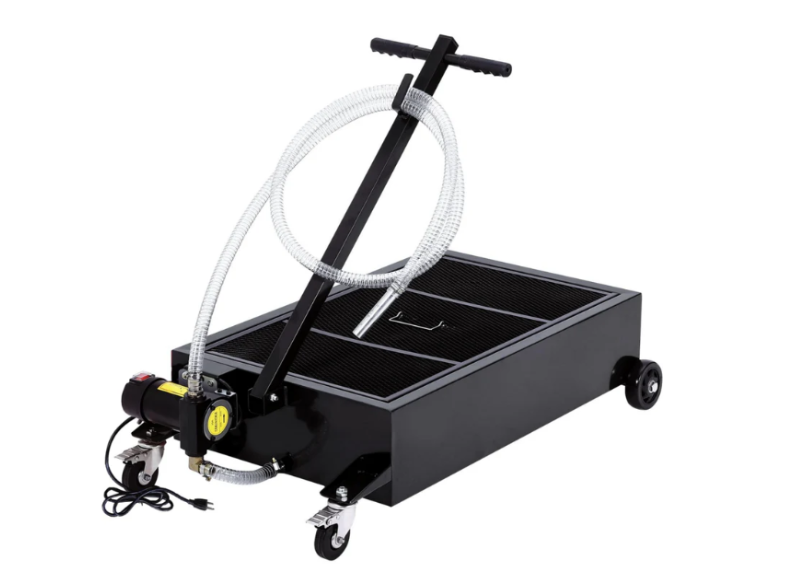
Today’s options are much more advanced than older open pans. GARVEE’s range includes low-profile rolling carts, hand-pump versions, electric-pump models, and taller waste-oil drain tanks with wheels and adjustable collection features. Some models also include foldable handles and long hoses for easier emptying.
Main Benefits
-
Keeps dirty oil contained
-
Reduces floor mess and slipping risk
-
Speeds up cleanup after service
-
Makes transfer to storage containers easier
-
Supports a cleaner, safer workflow
-
Improves efficiency for repeat maintenance
Low-profile carts are especially useful for cars and SUVs, while larger-capacity units make more sense for frequent shop work. GARVEE’s collection currently spans capacities from 8-gallon options up to 25-gallon models, including manual, 12V, and 110V pump variations.
Better Than a Basic Catch Tray
Many buyers begin with a cheap tray and later upgrade after dealing with spills, awkward pouring, and hard-to-clean edges. A dedicated used-oil cart solves many of those frustrations.
Here is why an upgraded drain system often wins:
-
It is easier to position under the vehicle
-
It is easier to move when full
-
It can reduce manual lifting
-
It often transfers fluid more cleanly
-
It is usually better for regular maintenance
If you work on more than one vehicle, the convenience difference becomes obvious very quickly.
Fuel Caddy Comparison: When You Need One Too
This kind of portable transfer tank solves a different problem from a used-oil collector. Instead of catching waste oil, it is designed for controlled fuel storage and transfer.
GARVEE’s collection shows a broad range of portable fuel solutions, with capacities such as 15, 20, 26, 30, 35, 40, 45, and 50 gallons. Current listings also show features such as manual pumps, 12V transfer pumps, tank gauges, ground clamps, rolling wheel designs, and impact-resistant polyethylene construction.
How to Choose the Right Model
The best choice depends on vehicle clearance, service frequency, storage space, and whether you prefer manual or powered transfer.
1. Start With Clearance
The first question is simple: will it fit under the vehicle? Low-clearance cars often need a slim, low-profile design. Taller trucks and larger vehicles may allow more flexibility.
2. Choose the Correct Capacity
Capacity affects convenience. A small household setup may only need a compact model. A busy workshop or multi-vehicle household will usually benefit from something larger.
A simple guide:
-
Light home use: smaller capacity
-
Frequent DIY service: medium capacity
-
Shop, fleet, or heavy use: larger rolling unit
3. Decide on Manual or Electric Transfer
This is one of the biggest buying decisions. Manual pump models are usually simpler and more affordable. Electric pump models reduce effort and can speed up transfer, especially with larger containers.
GARVEE’s oil-drain listings currently include both hand-pump and powered options, including 12V and 110V versions.
4. Look at Mobility Features
Wheels, casters, and folding handles are not minor details. Once the container is full, mobility becomes a safety issue as much as a convenience issue.
5. Check Hose Length and Flow Design
A longer hose often means easier emptying. Some product descriptions also mention tilt-angle or directed-flow designs that help guide fluid more efficiently into the container. GARVEE’s collection includes several products with 7.5-foot and 8-foot hose setups.
6. Pay Attention to Materials
Materials influence durability, weight, and resistance to wear. In the GARVEE collections, oil-drain options include polypropylene and carbon-steel styles, while fuel-transfer products include stainless steel and impact-resistant polyethylene.
Best Fits by User Type
Home Garage User
A medium-size Oil Drain Pan is often enough for one or two family vehicles. The key is easy storage, stable positioning, and simple emptying.
DIY Enthusiast
If you work on your own SUV, pickup, lawn equipment, or multiple vehicles, a low-profile rolling design is usually worth the upgrade. It saves time and creates a cleaner work area.
Repair Shop
A larger-capacity drain cart with wheels and a pump can speed up repeat jobs and reduce physical effort for staff.
Fleet or Heavy-Use Environment
This is where bigger tanks, durable materials, and more efficient transfer systems really matter. The more frequently you use the equipment, the more valuable those features become.
How to Use It Properly
Buying the right tool is only half the job. Correct use makes the process cleaner and safer.
Step-by-Step Guide
-
Park on a level surface and secure the vehicle.
-
Let components cool to a safe working temperature.
-
Position the Oil Drain Pan under the drain point.
-
Open the drain plug carefully and watch the oil stream.
-
Reposition slightly if needed to keep the flow centered.
-
Reinstall the plug securely after draining.
-
Transfer used oil into an approved recycling or storage container.
-
Wipe the collection area, hose, and any drips after the job.
Helpful Tips
-
Keep absorbent pads nearby
-
Never let the container overfill
-
Label used-oil containers clearly
-
Inspect hoses and wheels regularly
-
Empty the unit before storing it for long periods
Common Mistakes to Avoid
Many poor purchases happen because people shop by price alone. A better approach is to think about real usage.
Choosing Too Little Capacity
A too-small container fills quickly and can slow down the whole job.
Forgetting About Clearance
A tall unit is useless if it cannot slide under the vehicle.
Ignoring Mobility
Without wheels or a sturdy handle, moving used oil becomes much harder than expected.
Picking the Wrong Transfer Style
Some buyers want simplicity and should choose manual. Others want speed and less effort, which makes powered transfer the smarter choice.
Mixing Up Oil and Fuel Tasks
A drain cart is for used-oil collection. A portable fuel transfer tank is for moving and storing fuel. They solve related fluid-handling problems, but they are not interchangeable.
Smart Buying Tips
If you want long-term value, keep your decision focused on how and where you work.
-
Match height to vehicle clearance
-
Buy a little more capacity than your minimum need
-
Choose wheels for anything beyond occasional use
-
Consider pump-assisted transfer for frequent service
-
Check hose length before ordering
-
Think about storage space in your garage or shop
-
Compare similar models side by side before buying
GARVEE’s category pages make those comparisons easier because the listings show how capacity, wheel design, hose length, pump style, and materials vary from one product to another.
When a Fuel Caddy Makes Sense
There are many situations where adding this tool is a practical second purchase. If you regularly refuel generators, mowers, boats, tractors, or multiple machines, a portable transfer tank can save time and reduce messy pours.
Signs You May Need One
-
You transfer fuel often
-
You maintain outdoor equipment
-
You service several machines or vehicles
-
You want more organized refueling
-
You need a larger rolling solution than basic fuel cans provide
Manual-pump models can be great for simple portability, while powered versions may fit users who want faster transfer. GARVEE’s current collection includes both types.
Recommendations for Buyers
For most home users, start with the tool that solves the biggest everyday problem first. In many cases, that will be an Oil Drain Pan because used oil is messy, heavy, and difficult to control without the right container.
Then ask three quick questions:
-
Do I work on low-clearance vehicles?
-
Do I need wheels and a hose?
-
Would manual or electric transfer fit my routine better?
If refueling is also part of your workflow, then a portable transfer tank becomes a sensible add-on rather than a substitute.
Conclusion
Choosing the right Oil Drain Pan can make every oil change cleaner, faster, and less stressful. It helps control spills, improves safety, and supports a more organized maintenance routine. If your garage or shop also handles refueling, a Fuel Caddy can complement that setup by making portable fuel transfer more controlled and efficient. Compare capacity, clearance, mobility, hose length, and transfer style carefully so you buy a solution that matches the way you actually work.
FAQ
1. What size Oil Drain Pan is best for home use?
For light home use, a compact or medium-size unit is usually enough. If you service multiple vehicles, consider a larger rolling model for easier handling.
2. Is a low-profile design better?
Yes, for sedans and lower-clearance vehicles, a slim profile is usually easier to position and helps reduce accidental spills.
3. What is the difference between a drain cart and a portable fuel tank?
One is designed to collect used oil during maintenance, while the other is built for portable fuel storage and transfer.
4. Should I choose a manual or electric transfer system?
Choose manual if you want simplicity and lower cost. Choose electric if you want faster movement with less effort, especially for larger capacities.
5. What features should I prioritize first?
Start with clearance, capacity, mobility, hose length, and transfer style. Those five factors usually have the biggest impact on everyday usability.
