A crack across the visor, or a scratch you can no longer see through cleanly, sends most riders to the same place: a browser tab full of listings with near-identical names. RPHA 12, 12N, Carbon. The names look like different generations, so it is easy to assume each needs its own part, or that one code on one page settles everything.
It settles less than you might hope. Before you pay, run three checks. First, confirm which helmet you actually own. Second, choose the tint and finish. Third, check anti-fog inserts and whether the visor can take one. Each answers a different question, and wrong orders start when one gets skipped.
Check One: Which Helmet Is Actually on Your Head
Start with the helmet, not the listing. Find the model name on your helmet’s label and write it down exactly as printed. If the old visor is cracked but the shield code is still legible, note that too. Two matching clues are far more reliable than a seller’s title.
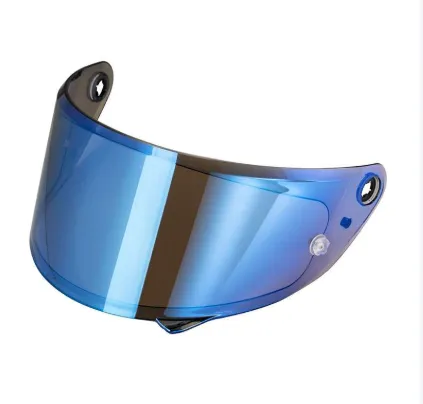
The names are where riders go wrong. “RPHA 12” and “RPHA 12N” read like different generations, so it is easy to assume each needs its own part. Riders often search for the hjc rpha 12 vs rpha 12n visor difference when the real task is reading the label. Listings add to the muddle by borrowing one name, dropping a letter, or bundling several helmets into a single title.
Going by HJC’s shield-type chart, as summarised by the source for this article, the RPHA 12, RPHA 12N and RPHA 12 Carbon all sit under the same code, HJ-42. That makes the label and the old visor’s code your anchors. If a listing names a helmet that doesn’t match your label, or quotes a code that differs from the one on your visor, stop and resolve that before going further. Because the chart may be updated, check HJC’s current version rather than relying on memory.
Once you know which helmet you own and which code applies, the remaining choices become much easier to sort out.
What a Shield Code Settles, and What It Leaves Open
HJC’s shield-type chart groups three helmets under one code: the RPHA 12, the RPHA 12N and the RPHA 12 Carbon all appear under HJ-42. On the maker’s own word, those three take the same visor. That is the useful part, and it is why a code match is a stronger starting point than a similar-sounding product name.
For anyone weighing hj-42 visor compatibility rpha 12 listings, the chart is the starting point, not the whole answer. It tells you the visor shape is shared. It says nothing about tints, anti-fog inserts or the marking a visor needs for road use in Great Britain. Each of those still has to be checked item by item, and the next two checks cover them.
The Carbon question is where naming trips people up. Riders often type does rpha 12 visor fit rpha 12n carbon into a search box, but the chart does not list an “RPHA 12N Carbon”. It names the RPHA 12 Carbon and the RPHA 12N as separate entries, both under HJ-42. If your label reads RPHA 12 Carbon, the chart puts you under the same code as the other two. If it reads something else, don’t stretch the chart to cover it.
Treat the code as an answer to one question only: does this visor fit this helmet family? Everything else on the listing remains your call.
Check Two: Tint and Finish Choices
Once the code confirms the visor fits your helmet family, the listing still has to answer a different question: which version do you want? HJC’s chart says nothing about tint, so this part is your decision.
Start with when and where you actually ride. A rider who mostly commutes in bright daylight has different needs from one who often rides early, late or in changeable weather. Write down your usual conditions, then compare them against each listing’s own description of the shield. If a listing doesn’t say what a tint is meant for, ask the seller rather than guessing from the colour in the photo.
Iridium and other mirrored finishes add another choice. If you plan to buy hjc rpha 12 iridium shield options, treat the finish as a separate item to confirm, not something the HJ-42 code covers.
The same goes for road-use marking. The chart doesn’t address it, so check what the listing states about marking and what applies where you ride. If the listing is silent, hold off on ordering until you have an answer in writing.
Check Three: Inserts and Fitting Reality
The shield code tells you a visor belongs on your helmet. It doesn’t tell you whether an anti-fog insert belongs on the visor. HJC’s chart doesn’t address inserts, so this is a separate check.
Start with the visor itself. Pinlock’s site lists a 120 lens for the RPHA 12, but says it fits only a visor with HJC-specific pins. A replacement listing that doesn’t mention pins isn’t a yes. The source I’ve relied on notes that its own product pages don’t say a replacement visor takes a Pinlock lens, so look for the pins yourself. Its separate anti-fog insert for the RPHA 12 and RPHA 12 Carbon is described as fitting between two small pins on the inside of the visor, which is the same thing to check. I found nothing confirming Pinlock compatibility for the RPHA 12N specifically, so ask the seller before assuming it.
Anyone reading how to fit pinlock 120 on hjc rpha 12 should first confirm the visor has the required pins, then follow Pinlock’s own instructions, which begin with taking the visor off the helmet. Pinlock’s listing was checked in November 2026, so recheck it before you buy.
Only then turn to availability. Once the code matches, look for an hjc rpha 12n replacement visor in stock rather than guessing from the name. Stock changes, so confirm the code, tint and marking on the listing at the point of purchase.
Conclusion
Before you pay, run the three checks in order. First, confirm your helmet from its label and any legible code on the old visor. Second, settle tint and finish, and verify the marking your road use requires. Third, check the visor for the pins an anti-fog insert needs, then confirm stock.
HJC’s chart groups the RPHA 12, 12N and 12 Carbon under HJ-42, but it says nothing about tints, inserts or marking. Treat the code as step one, and let the listing prove the rest.
