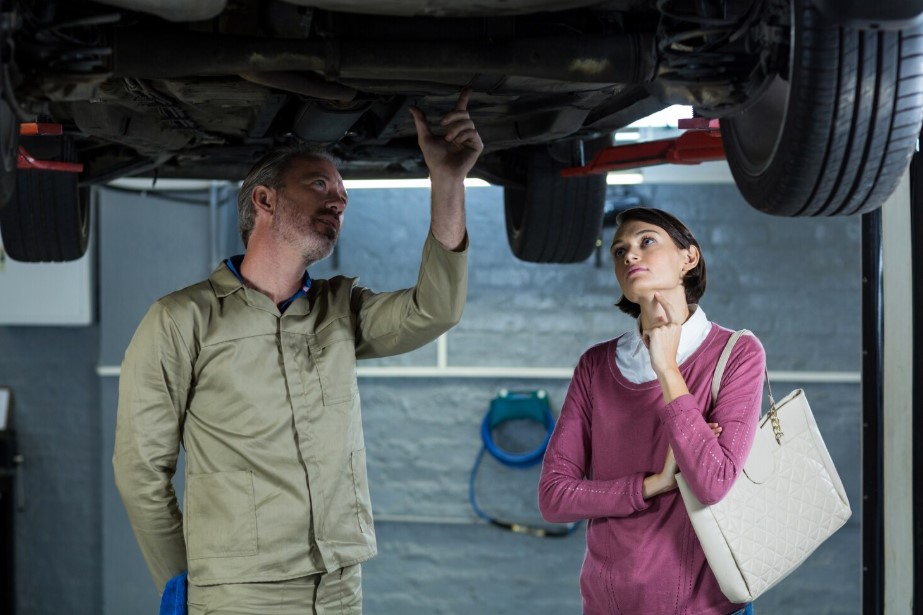
Most breakdowns do not begin on the side of the road. They begin weeks earlier with a dashboard light ignored, tires wearing unevenly, or an oil change pushed off because the car still feels “fine.”
That mindset is expensive for daily commuters in Fredericksburg, VA. Regular driving through stop-and-go traffic, short trips, seasonal heat, and constant braking puts steady strain on engines, tires, batteries, and braking systems. Routine maintenance is not a box to check out of habit. It is what keeps a commuter vehicle dependable when the workweek leaves little room for delays, towing, or emergency repair decisions. For drivers who rely on their car every day, maintenance matters because inconvenience rarely stays minor for long.
Small Problems Rarely Stay Small
-
What Daily Driving Really Demands
A commuter car does not need a dramatic failure to become unreliable. It only needs a few neglected basics. Low fluid levels, worn brake pads, dirty filters, aging belts, or weak battery performance can all build up quietly until the vehicle starts costing time instead of saving it. In a place like Fredericksburg, VA, where many drivers rely on consistent travel for work, school, and errands, such a disruption has practical consequences.
Routine service is what catches those issues before they turn into missed appointments or roadside trouble. That is why many local drivers keep resources like https://expressautoservice.com/ on hand to stay ahead of wear rather than react after the fact. The point is not simply to avoid major repairs. It is to prevent the chain of smaller problems that usually leads to them.
-
Oil Changes Protect More Than Oil
Many drivers still think of oil changes as one of the simpler items on the maintenance list, but they do more than refresh a fluid. Engine oil reduces friction, manages heat, and helps carry away contaminants that build during normal operation. When oil breaks down or runs too long, internal engine parts work harder under dirtier and hotter conditions.
For Fredericksburg commuters, that matters because repeated short trips and traffic-heavy driving can be hard on engines. The vehicle may never appear to be under stress, yet the wear accumulates steadily. Regular oil service helps preserve performance, fuel economy, and long-term engine condition. Skipping it may not cause immediate failure, but it often shortens the margin between routine use and expensive repair.
-
Brake Wear Builds Up In Traffic
Commuter driving is hard on brakes. Frequent stops at traffic lights, traffic backups, school zones, and neighborhood turns mean the braking system is working steadily every day. Pads wear down gradually, rotors can score or warp, and fluid condition can decline over time. The danger is that brake wear often becomes normal to the driver before it becomes obvious.
That is why routine inspections matter. A slight squeal, longer stopping distance, or vibration under braking may seem manageable for a while, but those signs usually mean the system is already asking for attention. Catching brake wear early protects not only the vehicle but also the repair budget. Replacing pads on time is far easier than waiting until rotors and related components are drawn into the same repair.
-
Tires Influence Safety And Cost
Tires are one of the clearest examples of how maintenance affects both performance and operating cost. Poor inflation, worn tread, misalignment, and missed rotations can reduce fuel economy, weaken handling, and increase stopping distance. For commuters logging regular mileage, wear adds up quickly, especially if the same routes involve rough pavement, frequent turns, or repeated curb-side parking.
Routine tire care is not cosmetic. It affects how the car tracks, how evenly the rubber wears, and how well the vehicle responds during sudden braking or wet conditions. Uneven tire wear also tells a story about alignment or suspension issues that may otherwise go unnoticed. A simple maintenance visit can reveal whether the problem is with the tire itself or a more serious condition affecting the vehicle’s stability.
-
Battery And Charging Problems Spread Fast
A weak battery usually gives warnings before it fails. Slow starts, dimming lights, or inconsistent electrical response often show up first. But many commuters do not notice those signs until the car refuses to start before work. By then, the inconvenience is no longer minor. It becomes a scheduling problem, a transportation problem, and often a same-day expense.
Routine maintenance helps catch battery and charging issues while the car is still usable. Testing battery health, checking terminals, and reviewing charging performance can reveal trouble early. That matters even more for drivers whose schedules depend on reliability. A battery failure does not care whether the driver is late for a meeting, picking up children, or trying to get home at the end of a long day.
-
Fluids Keep Systems Operating Properly
Modern vehicles depend on more than engine oil alone. Coolant, brake fluid, transmission fluid, and power steering fluid all play a role in keeping systems functioning properly. When those fluids degrade, leak, or fall below proper levels, the strain moves outward through the vehicle. Components run hotter, shift less smoothly, or respond less predictably under normal use.
For commuters, that is where routine maintenance becomes practical rather than optional. Fluid checks are one of the simplest ways to spot early leaks or system decline before a breakdown occurs. A driver may not notice gradual deterioration day to day, but the vehicle does. The value of regular service is that it identifies changes while they are still manageable, before they interrupt normal travel.
-
Maintenance Supports Resale And Planning
Routine service also affects the vehicle beyond daily reliability. A well-maintained car usually retains value better than one with a patchy service history and deferred repairs. That matters whether the owner plans to keep the vehicle for years or trade it in later. Consistent records suggest the car was cared for, and that confidence influences resale conversations.
There is also a planning benefit that many commuters overlook. Maintenance turns random repair risk into something more predictable. Instead of being surprised by a failing component at the worst possible moment, the driver can schedule service around work and personal obligations. That level of control is one of the less obvious advantages of staying current on routine care.
Reliability Is Built In Advance
Routine auto maintenance matters for Fredericksburg commuters because daily driving leaves very little room for mechanical uncertainty. The car is not just transportation. It is part of the workday, the family schedule, and the margin that keeps everything else moving on time. When maintenance is neglected, the vehicle eventually forces the issue on its own terms.
That is why regular service remains one of the smartest decisions a commuter can make. It protects the engine, brakes, tires, battery, and the systems drivers rely on, without requiring them to think about it. More importantly, it protects time. In commuter life, that is often the real cost at stake. Reliable travel is not created in the morning, when something breaks. It was built earlier through maintenance decisions that kept small issues from becoming larger ones.
