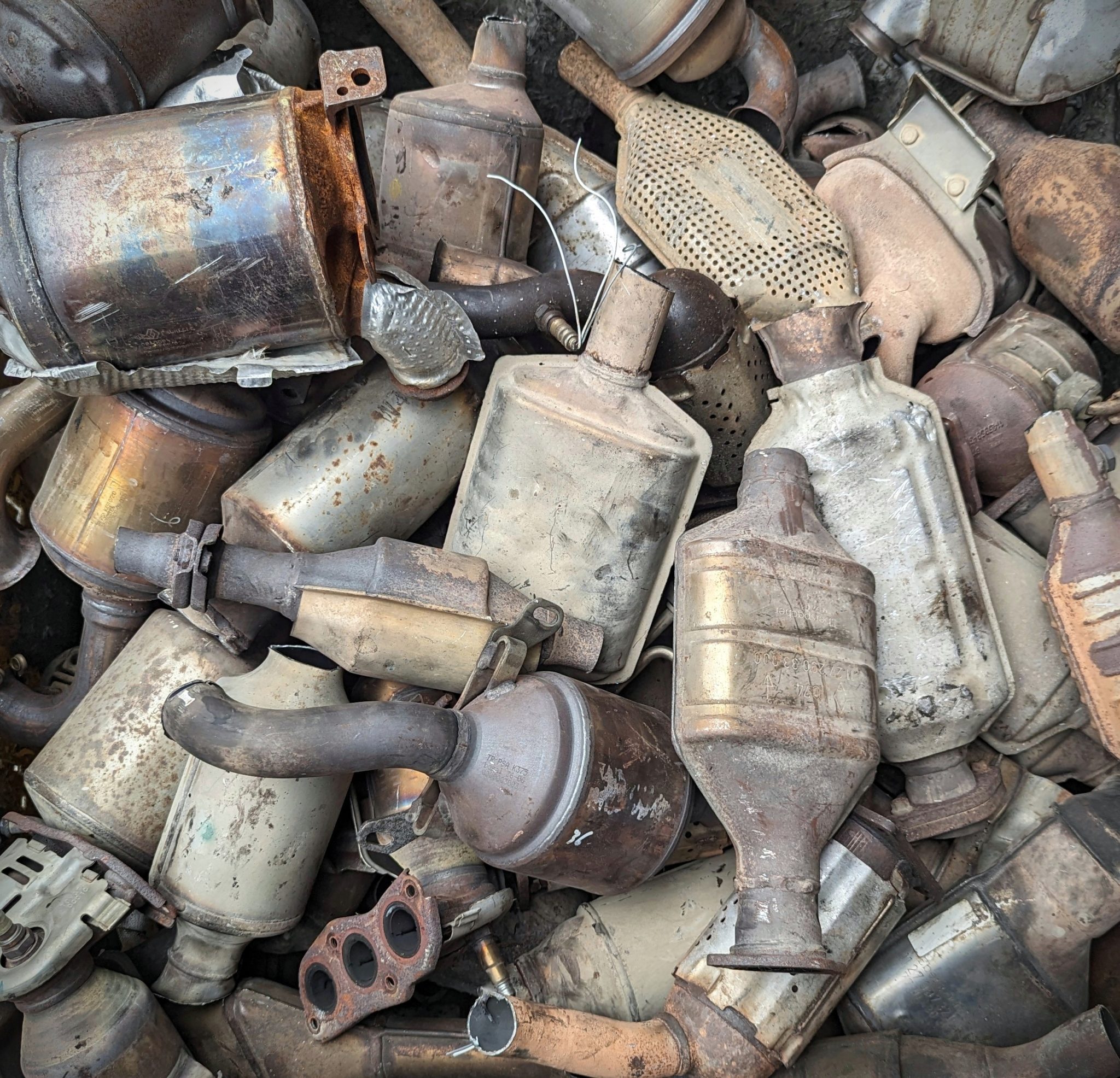
For auto repair shops, dismantlers, salvage yards, fleet operators, and scrap professionals, catalytic converters can represent a surprisingly important revenue stream. Yet many businesses still leave money on the table because they rely on rough estimates, outdated pricing habits, or buyers who cannot clearly explain how value is determined.
A smarter approach to catalytic converter buying is not just about getting a quote quickly. It is about understanding what affects pricing, reducing compliance risk, improving cash flow, and partnering with a buyer that combines market knowledge with transparent processes. In a market shaped by precious metal prices, changing regulations, and increasing pressure for responsible recycling, better decisions can have a measurable impact on profitability.
That is why more businesses are rethinking how they sell converters and looking for specialized partners such as Metalbee, a Latvia-based company focused on catalytic converters, printed circuit boards, and non-ferrous metals. For companies that want a more professional and environmentally conscious process, choosing the right buyer can make routine disposal a real business advantage.
Why catalytic converter selling has become more complex
Not all catalytic converters are equal. Their value can vary significantly depending on the presence and concentration of precious metals such as platinum, palladium, and rhodium. Two converters that look similar from the outside may have very different internal compositions, which is why visual guessing or generic lists often lead to underpayment.
On top of that, market prices for these metals can shift quickly. A quote that seemed fair last month may not reflect current conditions today. For busy auto businesses, this creates three common problems:
- Inconsistent valuations from one buyer to another
- Slow turnaround times that disrupt working capital
- Limited transparency about how pricing is calculated
When converters are sold in batches, those issues become even more important. A small pricing difference per unit can add up to a meaningful amount over time, especially for businesses processing vehicles regularly.
What smart buyers and smart sellers both understand
The best catalytic converter transactions are built on data, not guesswork. Professional buyers use detailed reference databases, laboratory analysis, and current market intelligence to evaluate material accurately. That matters because converter identification is only one part of the equation; the real value comes from understanding recoverable metal content and processing potential.
For auto businesses, this means a smarter selling strategy should include the following checks:
1. Ask how the buyer determines value
If a buyer cannot explain their methodology, that is a red flag. Reputable specialists should be able to describe whether pricing is based on a database, chemical analysis, current precious metal markets, or a combination of all three.
2. Look for scale and technical capability
A buyer with an extensive database and laboratory support is usually better positioned to provide accurate assessments. This is especially important for mixed lots, less common units, or converters with unclear markings.
3. Prioritize transparency and speed
In the auto sector, delayed payments create unnecessary strain. A good buying partner should offer clear communication, straightforward transaction terms, and fast settlement once value is confirmed.
4. Consider sustainability and compliance
Responsible recycling is no longer a side issue. It is part of brand reputation, customer trust, and operational credibility. Working with a company that emphasizes sustainable recovery and quality standards can support your own environmental goals as well.
How auto businesses can avoid undervaluing converters
One of the biggest mistakes businesses make is treating converters as uniform scrap. In reality, converter categories, origin, and composition all matter. To avoid undervaluation, businesses should build a simple internal process:
- Separate catalytic converters from general metal scrap
- Store units carefully to preserve identification markings where possible
- Group converters by type or source if practical
- Work with a specialized buyer rather than a generalist alone
- Review trends in payment consistency over time
This does not require a complicated new workflow. Even a basic sorting and tracking system can improve outcomes, particularly for auto dismantlers and service networks handling recurring volumes.
Another smart move is to choose a buyer that has invested in actual analytical capability. Metalbee, for example, highlights an extensive database of more than 30,000 chemically analyzed converters, backed by a modern laboratory and advanced chemical methods. That kind of infrastructure helps reduce the uncertainty that often frustrates sellers and supports fairer, better-documented valuations.
What to look for in a catalytic converter buying partner
If your business regularly generates spent converters, the right partner should offer more than a one-time quote. Ideally, they should function as a reliable part of your materials recovery process. Here are the qualities worth prioritizing:
- Specialization: A focused expertise in catalytic converter purchasing and recycling
- Data-backed pricing: Real evaluation methods rather than broad assumptions
- Market awareness: Up-to-date knowledge of precious metal conditions
- Operational efficiency: Quick responses and fast payment settlements
- Professional standards: Secure, trustworthy transactions and clear communication
- Sustainability: A genuine commitment to responsible recycling
These factors are particularly relevant for companies that want long-term consistency. A strong buying relationship can streamline administration, improve recovery value, and reduce the time staff spend chasing quotes from multiple sources.
Why specialization matters for auto businesses in Latvia and beyond
For businesses operating in Latvia, local expertise can be especially valuable. A buyer that understands the regional market, communicates efficiently, and supports transparent transactions can simplify the entire process. This is where specialized catalytic converter purchasing services become useful for businesses that want both convenience and confidence.
If you are comparing options for catalytic converter purchasing (katalizatoru uzpirkšana), it helps to choose a company that combines technical analysis with practical service. Metalbee positions itself around exactly that combination, emphasizing sustainable management, up-to-date market awareness, skilled technicians, and strong refinery partnerships.
For companies specifically handling used vehicle parts and recurring automotive volumes, car catalytic converter purchasing (auto katalizatoru uzpirkšana) should be evaluated not only by headline price, but also by consistency, documentation, and turnaround time. Over dozens or hundreds of units, those operational details matter just as much as the per-piece quote.
Turning waste into a smarter revenue stream
Auto businesses are under constant pressure to improve margins, control waste, and run leaner operations. Catalytic converters may not be the first item managers think about when reviewing profitability, but they are one of the clearest examples of how better materials handling can create immediate value.
By treating converter sales as a managed process instead of an occasional afterthought, businesses can recover more value, reduce uncertainty, and support responsible recycling at the same time. That is a win for cash flow, a win for operational discipline, and a win for sustainability.
For shops, dismantlers, and scrap professionals looking to improve how they sell converters, now is a good time to review current practices and compare them against more specialized options. A conversation with the right buyer can reveal whether your business is receiving the level of accuracy, speed, and professionalism it should expect.
If you want a practical starting point, Metalbee is a useful resource for businesses seeking a more transparent and efficient catalytic converter selling process, with a strong focus on fair evaluation and environmentally responsible recycling.
