
Key Takeaways
-
AI and telematics integration are revolutionizing fleet safety and efficiency management.
-
Predictive maintenance prevents breakdowns while reducing operational costs.
-
Sustainable strategies protect the environment and strengthen brand reputation.
Future-proofing commercial fleets has become a priority for businesses navigating rapid changes in technology, regulations, and operational demands. Companies are increasingly focused on enhancing safety while improving efficiency to remain competitive in evolving markets. From advanced driver-assistance systems to data-driven maintenance strategies, modern fleets must adapt to minimize risks, reduce downtime, and optimize performance. Investing in scalable solutions not only supports long-term growth but also helps organizations respond more effectively to shifting industry standards and environmental considerations.
A key part of this process involves selecting adaptable equipment and upfitting solutions that align with both current and future needs. Resources such as Tcsupfitting.com can provide insight into how fleet modifications and configurations support safer operations and streamlined workflows. By integrating thoughtful design with emerging technologies, businesses can build resilient fleets that meet safety expectations while maintaining efficiency across diverse operating conditions.
Embracing AI and Telematics
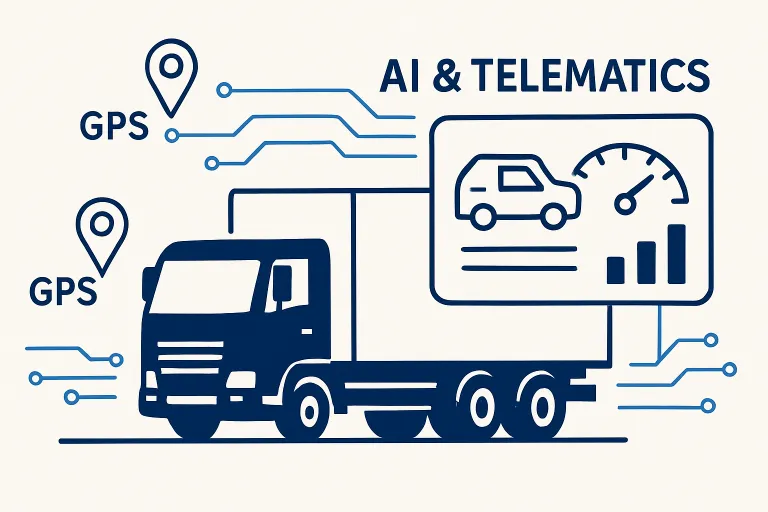
Artificial intelligence and telematics are reshaping the core of commercial fleet management. Recent industry analysis indicates a significant jump in AI-enabled video telematics: up to 46% of fleets are adopting these systems. Likewise, GPS tracking adoption has reached new heights, now part of 80% of commercial operations. The benefits are substantial, with operators gaining real-time feedback on vehicle conditions and driver actions, empowering them to react quickly to hazards and inefficiencies.
Telematics not only improves the visibility of day-to-day operations but also provides crucial data for coaching drivers, maintaining vehicles, and optimizing logistics. This transparency gives fleet managers greater confidence in responding to both safety incidents and opportunities for improvement.
Implementing Predictive Maintenance
Traditional maintenance often leads to unplanned downtime and unexpected expenses. Predictive maintenance, driven by real-time analytics and AI, has transformed this landscape. The technology can flag emerging mechanical issues before they escalate into major failures, enabling timely interventions that prevent costly repairs. According to industry sources, fleets have achieved annual savings of up to $2,500 per truck by adopting predictive models.
This data-driven approach not only cuts costs but extends vehicle lifespan, improves safety, and ensures better compliance with preventive schedules, which are now tightly monitored and managed through fleet management software.
Prioritizing Driver Training and Safety Programs
Investing in continuous driver education is essential to reducing accident rates and enhancing overall safety culture within fleets. AI-powered monitoring solutions can assess driver actions, provide real-time feedback, and create targeted coaching plans. These systems help identify risky behaviors, such as harsh braking or distracted driving, and provide in-the-moment guidance to address them. This approach minimizes risk, simplifies compliance processes, and ensures trucks remain safe and efficient.
Adopting Sustainable Practices
The transportation sector faces increasing regulatory and societal pressure to go green. Forward-thinking fleets are integrating electric vehicles and renewable fuel options into their operations. The use of AI-powered analytics helps reduce fuel waste and lower carbon emissions, while strategic routing minimizes unnecessary mileage. These eco-friendly initiatives are proving essential for meeting new legislative requirements and appealing to environmentally conscious customers.
Leveraging Data Analytics for Decision-Making
Modern fleet operations generate enormous quantities of data. Harnessing advanced analytics allows management to identify patterns in route efficiency, driver performance, vehicle utilization, and fuel consumption. Sophisticated dashboards and visualization tools turn raw data into actionable insights, enabling fleets to optimize everything from delivery times to asset allocation. The shift towards data-driven decisions fosters a culture of continuous improvement and measurable savings.
Ensuring Regulatory Compliance
Regulatory frameworks in commercial transportation are constantly changing. To avoid penalties and maintain operational integrity, fleets must keep all systems up to date. AI and telematics platforms make compliance easier by automating reporting, alerting operators to non-compliant events, and storing detailed digital records for audit purposes. With these safeguards in place, fleet managers can navigate complex legislative requirements with greater confidence and lower risk.
Investing in Vehicle Upfitting
Every commercial operation has unique demands, and off-the-shelf vehicles rarely match those needs perfectly. Vehicle upfitting involves integrating safety systems, custom equipment, or optimized cargo configurations to address specific requirements. By tailoring the fleet to the business, companies can improve driver satisfaction, increase cargo security, and enhance overall productivity. Proper upfitting also supports compliance with safety mandates and enhances each vehicle’s value proposition.
Conclusion
Future-proofing commercial fleets means uniting innovation, safety, and sustainability under a single strategy. By leveraging advancements in AI, data analytics, and eco-friendly practices, fleet managers can meet tomorrow’s challenges today. Empowered by these tools, fleet operations become safer, more effective, and better equipped to maintain an edge in an ever-changing industry landscape.
